
Does Lifting Weights Really Burn Fat ?
Cette section contient des liens d'affiliation/This post contains affiliate links. Consulter la divulgation ICI/Read the full disclosure HERE.
For years, a common belief in the world of fitness was that endless hours of cardio were the undisputed champion for fat loss. Spend enough time on the treadmill, burn enough calories, and the fat would simply melt away, right? Well, that’s only part of the story, and arguably, not even the most effective part for sustainable, long-term fat loss and body composition changes.
Recent research has dramatically shifted our understanding. For instance, studies published in the Journal of Applied Physiology highlight how resistance training significantly increases resting metabolic rate (RMR) and promotes a phenomenon known as Excess Post-exercise Oxygen Consumption (EPOC), often referred to as the “afterburn effect.”
While cardio burns more calories during a workout, strength training turns your body into a more efficient fat-burning machine long after you’ve left the gym.
Weight Lifting: a Game-changer for Burning Fat
I remember when I first started my fitness journey. Like many, I was convinced that running was the answer to all my fat loss goals. I’d spend an hour or more on the elliptical, feeling virtuous but never quite seeing the changes I craved.
My body shape remained relatively soft, and the scale barely budged. It wasn’t until a seasoned lifter, challenged my perception and encouraged me to pick up some weights. Hesitantly, I started with light dumbbells, focusing on form.
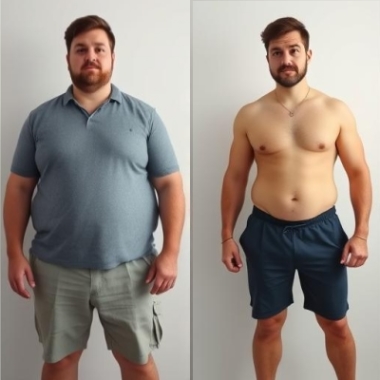
What happened next wasn’t an overnight transformation, but a gradual, profound shift. Not only did I feel stronger, but my clothes began to fit differently, my body felt firmer, and I noticed fat loss in areas where cardio alone had failed. It was clear: lifting weights was a game-changer for burning fat and reshaping my physique.
The Science Behind Strength Training and Fat Loss
So, how exactly does lifting weights contribute to shedding those stubborn fat layers? It’s more intricate than just calorie counting during your session.
Boosting Your Metabolism: The Afterburn Effect (EPOC)
When you engage in intense strength training, your body expends significant energy to recover and repair muscle tissue. This process, known as EPOC, means your body continues to burn calories at an elevated rate for hours, sometimes even up to 48 hours, after your workout.
This “afterburn” is significantly more pronounced after a challenging weightlifting session compared to moderate-intensity cardio. Think of it as your body’s furnace staying hot long after the fire has been stoked.
Building Muscle, Burning More Calories
Muscle tissue is metabolically more active than fat tissue. This means that for every pound of muscle you gain, your body burns more calories at rest – even when you’re just sitting on the couch or sleeping. While the exact number varies, studies suggest that for every pound of muscle gained, your RMR can increase by approximately 6-10 calories per day.
Over time, these small increases add up, making a substantial difference in your overall daily caloric expenditure and, consequently, your ability to burn fat. Lifting weights directly stimulates muscle protein synthesis, leading to increased muscle mass.
Hormonal Harmony for Fat Loss
Strength training also positively influences several hormones crucial for fat regulation. It can improve insulin sensitivity, meaning your body becomes more efficient at using glucose for energy rather than storing it as fat.
Additionally, it can boost the production of growth hormone, which plays a role in fat metabolism and muscle growth. These hormonal shifts create a more favorable internal environment for fat loss.
Cardio vs. Weights
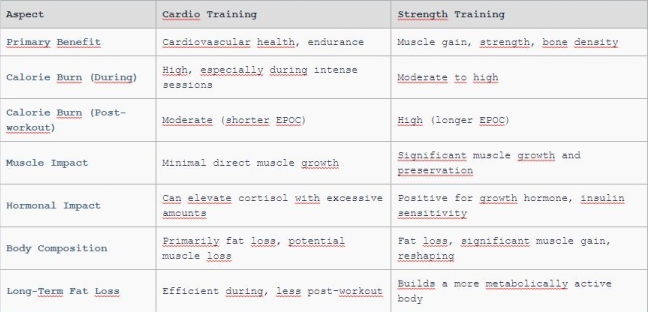
While this article champions strength training for fat loss, it’s crucial to understand that cardio still has its place. The most effective approach for comprehensive fitness and fat loss often involves a combination of both. Here’s a detailed comparison:
Combining these two forms of exercise creates a powerful synergy: cardio improves your heart health and endurance, allowing you to lift heavier and train longer, while strength training builds the muscle that boosts your metabolism and sustains fat burning.
From Cardio King to Lift Lover
My initial skepticism about weightlifting stemmed from common myths: “I’ll get too bulky,” “It’s for men,” or “Cardio is all I need.” Breaking free from these misconceptions was transformative.
I interviewed a friend of mine who had embarked on this journey from cardio to strength training. He told me that when he finally embraced the squat rack and barbell, he didn’t just see the numbers on the scale decrease; his entire body composition shifted.
His arms became more defined, his core felt tighter, and for the first time, he felt truly strong and capable. The confidence he gained from challenging himself with heavier weights trickled into other areas of his life. It wasn’t just about burning fat; it was about building a powerful, resilient self.
Practical Tips for Integrating Weightlifting into Your Routine
Ready to experience these benefits for yourself? Here are some actionable tips to get started:
- Start Small and Focus on Form: Don’t feel pressured to lift heavy from day one. Begin with bodyweight exercises or light dumbbells to master proper form. Thisprevents injury and builds a solid foundation.
- Focus on Compound Movements: Prioritize exercises that work multiple muscle groups simultaneously, like squats, deadlifts, bench presses, overhead presses, androws. These are incredibly efficient for calorie burn and muscle building.
- Embrace Progressive Overload: To continue seeing results, you must consistently challenge your muscles. This means gradually increasing the weight, reps, sets,or decreasing rest times over time.
- Consistency is Key: Aim for 2-4 strength training sessions per week. Regularity is more important than intensity when you’re just starting.
- Prioritize Nutrition: Remember, you can’t out-train a poor diet. Fuel your body with adequate protein to support muscle repair and growth, and consume a balanced diet rich in whole foods.
- Don’t Forget Rest and Recovery: Muscles grow and repair when you’re resting, not when you’re training. Ensure you get enough sleep and incorporate rest days into your schedule.
So, does lifting weights burn fat?
So, does lifting weights burn fat? An emphatic YES! It’s not just about the calories burned during your workout, but the metabolic furnace you build that burns fat 24/7. Strength training is a powerful, science-backed strategy for effective and sustainable fat loss, offering unparalleled benefits for body composition, strength, and overall well-being. If you’ve been on the fence about incorporating weightlifting into your fitness journey, now is the time to take the leap.
Don’t miss out on the incredible benefits that await and discover how to begin your strength training journey today, transforming your body and boosting your metabolism!